

Moving house can be stressful, but with the right planning, you can make the process smooth and hassle-free. This guide breaks down everything you need to do in the four weeks leading up to your moving date, ensuring nothing is forgotten. Follow this checklist to stay organised and make your move as stress-free as possible.
Looking for a more digestible to-do list? We’ve got you covered, with a dedicated moving checklist page that cuts straight to the chase – https://www.myconnect.com.au/checklist/
Need to arrange utility connections?
Get connected4 Weeks Before the Move
Settle Outstanding Bills
Before moving, pay off any outstanding bills for utilities, rent, or other services. This prevents unnecessary charges and ensures a clean financial slate for your new home.
Start Collecting Moving Boxes
Gather sturdy boxes of various sizes from local supermarkets, office supply stores, or online marketplaces. Consider purchasing specialty boxes for fragile items like glassware and electronics. Be sure to stock up on plenty of packing materials while you’re at it.
Notify Your Real Estate Agent or Landlord
If you’re renting, provide the required notice to your landlord or property manager. This ensures you get your bond back and allows them time to find new tenants.
Organise a Removalist or Moving Vehicle
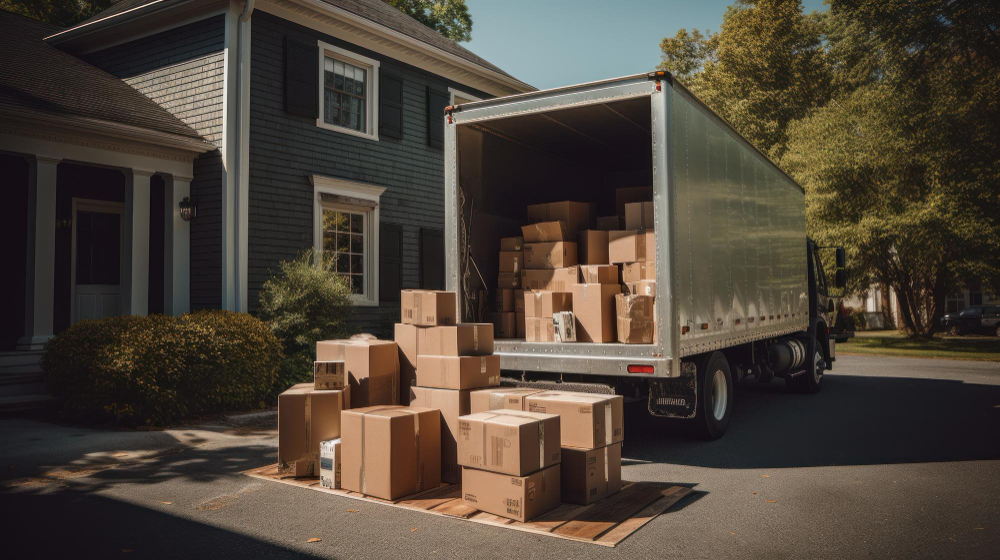
If you need professional help from movers, book a moving company early to secure your preferred date. If you plan to move yourself, consider reserving a truck or trailer well in advance.
Arrange a Cleaner or Gardener
If your lease requires professional cleaning, book a cleaner to ensure your property is spotless before handing over the keys. If you have a garden, arrange for it to be tidied before your final inspection.
Begin Packing Non-Essentials
Start packing items you won’t need before moving day, such as seasonal clothing, books, and decorative pieces. Label boxes with their contents to make unpacking easier.
Identify Fragile Items
Take note of fragile or valuable items that need extra care. Wrap them in bubble wrap and pack them securely to prevent damage during transit to your new house.
Declutter – Donate, Sell, or Throw Away Unwanted Items
Sort through your belongings and get rid of anything you don’t need. Sell items online, donate them to charity, or dispose of broken or unusable items responsibly.
Need to declutter larger items?
There comes a time in everyone’s life where they must say goodbye to some old belongings. Whether it be an old shirt that no longer fits after several washes or a watch that lags on time, certain items must be discarded. But doing that for larger items like furniture can be a headache.
Thankfully, there are tried and true methods to disposing of furniture. Whether those methods involve a bit of grit and DIY, or if you’d rather leave it into the hands of professionals, here are some helpful tips for furniture donation that you can find in the link below.
3 Weeks Before the Move
Label and Inventory Boxes
As you continue packing, attach inventory lists to each box, and note what’s inside and which room it belongs to. This makes unpacking far more efficient.
Organise Important Paperwork
Place important documents such as birth certificates, passports, and rental agreements in a clearly labeled box or folder that’s easily accessible.
Notify the Council for Pet Registration
If you have pets, inform your new council about your move so their registration details can be updated.

Update Your Address
Notify key organisations of your change of address, including:
- Banks
- Employers
- Australian Taxation Office (ATO)
- Superannuation funds
- Insurance providers
- Medicare
- Car registration, car insurance, and driver’s licence
- Memberships and loyalty programs
- Electoral commission
- Any potential subscription service
Australia Post’s Notify Organisations service can help streamline this process and set up mail redirections.
Who needs to know when moving house?
Moving home is a HUGE undertaking. Countless things will go through your mind, and informing outside parties of your new address may be just a passing thought with that long list of important items you need to tick off first.
We’ve compiled a comprehensive checklist of who needs to know about your change of address- so you can concentrate on the important things (like planning a housewarming party!).
Change of Address Checklist – Who needs to know when moving house?
2 Weeks Before the Move
Arrange Utility Connections for Your New Home
Contact MyConnect on 1300 854 478 or visit www.myconnect.com.au to organise electricity, gas, internet, and water connections at your new address.
Book a Cleaner for Your Current Home
If you haven’t already, finalise cleaning arrangements to ensure your rental bond is returned or your home is ready for its new owners.
Schedule Final Meter Reads and Utility Disconnections
Contact your utility providers to arrange final meter reads and disconnect services at your old home. This prevents any unnecessary charges after you move out.
Organise Childcare for Moving Day
If you have young children, consider arranging for a babysitter or a family member to look after them on moving day. This will make the process less stressful and allow you to focus on the move.
1 Week Before the Move
Schedule a Final Property Inspection
If you’re renting, book a final property inspection with your landlord or property manager to ensure everything is in order.
Clean Out Your Fridge and Pantry
Start using up perishable food and avoid buying groceries in bulk. Empty and clean your fridge and pantry to prevent any mess during the move.
Deep Clean Your Oven
Many rental agreements require the oven to be cleaned before moving out. If you’re selling, a clean oven can also make a better impression on buyers.
Pack a “First Night” Essentials Box
Prepare a box with all the essentials for your first night in your new home, including:
• Clothing for the next day
• Toiletries (toothbrush, toothpaste, shampoo, soap, toilet paper)
• Sheets, blankets, linens, and towels
• Phone chargers
• A basic toolkit (screwdriver, scissors, tape, box cutter)
Keep Important Documents and Valuables with You
Instead of packing passports, jewelry, medical records, and other valuables in a moving truck, carry them with you for security.
Prepare a Pre-Cooked Meal for Moving Day
Moving is exhausting, and you may not have the energy to cook. Prepare and freeze a meal to defrost in advance so you can have an easy, home-cooked dinner on your first night.
Final Thoughts
Moving doesn’t have to be a chaotic experience. By following this step-by-step checklist, you can stay on track, reduce stress, and settle into your new home with ease without any last-minute worries. Start early, plan ahead, and enjoy the excitement of this new chapter!
Need to arrange utility connections?
Get connectedBehind the thrill of moving to a new house lies a series of hidden costs that can quickly add up, turning your move into an unexpectedly expensive affair. Understanding these hidden moving costs is crucial for proper planning and budgeting.
In this article, we dive into all the sneaky additional costs that the average Australian mover can come to expect when moving house.
Cross Utilities Off Your List
Get connectedPacking Supplies
When budgeting for a move, it’s quick to overlook the cost of packing supplies. Cardboard boxes, tape, bubble wrap, and other packing materials can add up, especially if you have a lot of valuables to move.
On top of that, specialty boxes for items like mirrors, artwork, and televisions are even more expensive! While some removalist companies include basic packing supplies in their fees, many do not, leaving you to foot the bill through these extra costs.
Moving Services
If you opt to hire professional removalists to pack your belongings, be prepared for a significant extra charge compared to the DIY method of packing and unpacking.
Professional packing service can save you time and ensure your items are securely packed, but this convenience comes at a price. The average cost of hiring removalists in Australia can vary widely depending on the volume of items and the time required at an hourly rate.
Insurance
Standard moving insurance provided by moving companies often offers minimal coverage, usually based on weight rather than the actual value of your items.
You’ll need to purchase additional contents insurance if you want comprehensive protection. This extra insurance can provide peace of mind, but it’s an added expense that many people forget to include in their total costs.
Content about content (insurance)
Curious about contents insurance and whether you need it or not? Check out our article about contents insurance so you can make your own judgment call!
Storage Fees
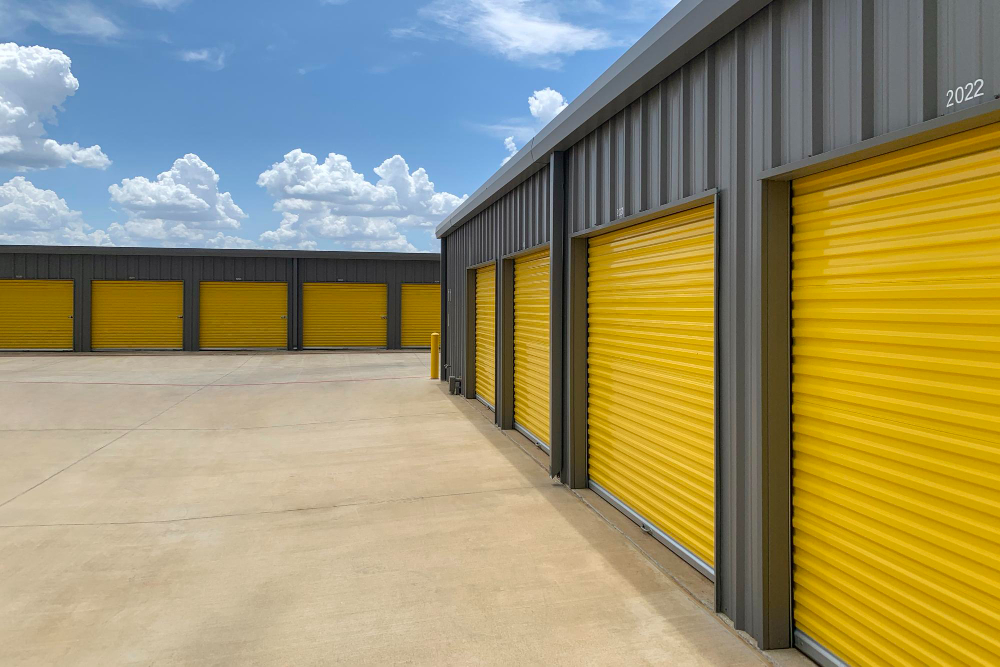
If there’s a gap between your move-out and move-in dates, you might need to store your belongings temporarily.
Storage fees can vary based on the size of the unit and the duration of storage. Climate-controlled units, which are essential for sensitive items, can be even more expensive, so it’s worth a check on what needs to be stored and what can go by the wayside when you’re decluttering.
Travel Costs
Moving long distances can incur significant travel costs. These include fuel for your vehicle (whether that be by car or moving truck), tolls, lodging, and meals during the trip.
If you’re hiring a moving company for an interstate move, their travel expenses, including fuel surcharges, meals, and lodging for the crew, will also be added to your bill.

Cleaning Costs
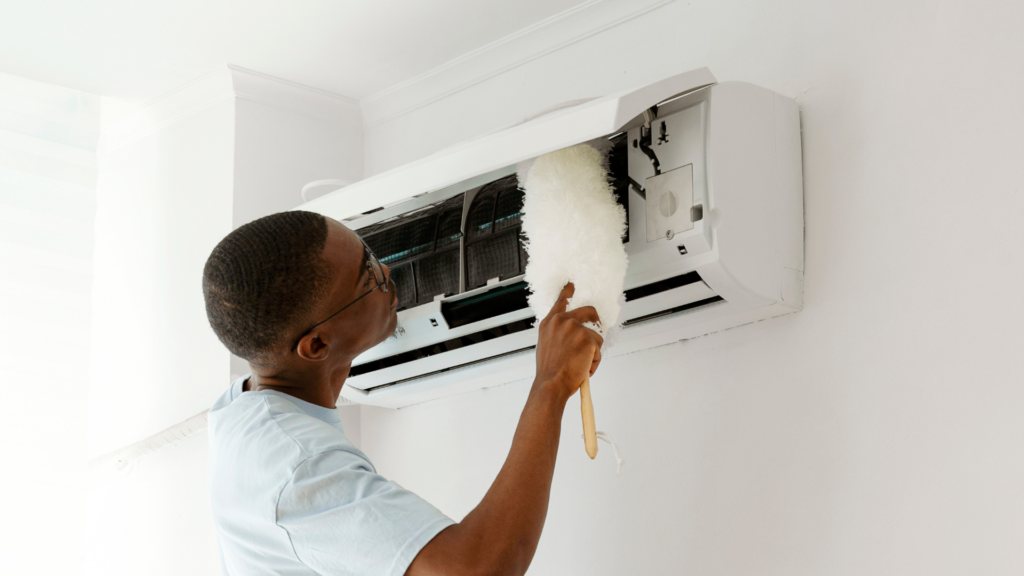
Before leaving your old home to head to your new address, you may need to clean it thoroughly to get your bond back if you’re in a rental property, or to prepare it for the next owners.
This might involve hiring professional cleaners, especially if you have a large home or if your lease requires professional cleaning.
Tackling Cleaning
End-of-lease coming up soon? Well, get ready to grab your bleach and cleaning products, slip on the heavy-duty gloves and follow our checklist on end-of-lease cleaning!
Repair and Maintenance Costs
Both your old and new homes might require some maintenance before and after the move. This could include patching holes in walls, fixing plumbing issues, or updating outdated fixtures.
These repair costs can be surprisingly high and are often overlooked in the initial budgeting process.


Replacement of Household Items
It’s common to find that some furniture and appliances don’t fit or suit the new location, especially when downsizing to a small apartment.
You might need to buy new furniture, curtains, or appliances, which can be a considerable expense. Additionally, items may get damaged during the house move, which will require replacement or repair.
Time Off Work
Moving is time-consuming, and you may need to take time off work to manage the process. Whether for packing, the actual moving day, or settling into your new home, lost wages can add up.
Be sure to consider this potential loss of income when planning your local move.

By being aware of these hidden costs, you can make your move smoother and stress-free, ensuring that your new beginning starts on the right financial foot.
If you need help getting your utilities connected sorted, give MyConnect a call on 1300 854 478 or use the Get Connected form here! All residents from Melbourne, Brisbane, Sydney and more can get connected today. If you’re a first-time home buyer and you’re unsure about using a utility connection company, this post here can assist you.
Cross Utilities Off Your List
Get connectedThere are plenty of terms thrown around in real estate, but two that are often brought up are the buzzwords “walk score” and “walkability”.
While it’s great to nod your head and politely smile when real estate jargon flies over your head, it’s even better to understand exactly what a real estate agent means when they bring up a walk score.
From the definition to the importance of a high walk score, here’s everything you need to know about real estate’s underrated measurement for accessibility.
Connect all your utilities in just 8 minutes
Connect your UtilitiesWhat is a Walk Score?
Walk Score is a term coined by a private company of the same name, Walk Score. The US-based company created a walkability index that will calculate any address in the United States, Canada, and Australia to a numerical value.
A Walk Score essentially determines how “walkable” a street address is, using an algorithm to assess how simple it is to reach necessary amenities by foot, allocating the address to a numerical score out of 100.
Walk Score also showcases the transit score and the bike score of the local neighbourhood. Transit score is determined by the access to public transit, and how far away the closest public transport is to your address. The bike score is pretty self-explanatory, centring around how accessible the area is by bike.
Calculating a Good Walk Score
Determining a good Walk Score is understanding what count’s towards a Walk Score.
The score can range from pedestrian accessibility to traffic activity, and even measures the friendliness of pedestrians (pedestrian friendliness) by calculating the population density and road metrics (painful intersection densities and far block lengths will drop the overall score).
As mentioned earlier, a Walk Score is out of 100, so naturally, the highest score you can achieve is 100/100 (no, there aren’t any 110% scores for this one).
While 100 is essentially a walker’s paradise, anything over 90 is essentially just shy of perfect for lovers of the by foot physical activity. Just below the 90 range, anything with a score between 70-89 is considered ‘very walkable’, showcasing that most errands can be done by foot.
The next category is labelled as ‘somewhat walkable’ and covers the 50-69 scores. Below that is where things are seen to be more car-dependent, meaning any score between 25-49 will require a car for travel most of the time, and 0-24 will require a car all the time.
Is a High Walk Score Important?
In short, a high Walk Score can be viewed as appealing to many property buyers and renters, as a property in a high Walk Score area can look forward to a built environment made to have access to walkable amenities, allowing ease of connectivity to public health benefits.
Walking distances can be a major benefit to selling a property, as plenty of Australians will take full advantage of a quick walk down to the grocery store if it means they don’t have to waste petrol (staying environmentally friendly in the process).
Many cities and suburbs in Australia are leaning towards a more walkable-centred urban planning design, an example being Canvas Brunswick in Victoria. Designs like these continue to crop up and set a new standard that a great walkability score could mean the difference between renters landing in one area compared to the other.
To get your own validation of Walk Score, check out the website here: www.walkscore.com
For any questions about moving home, we’ve put together the ultimate guide to moving house, which you can check out here. If you’re looking to get an early start on maintaining your new home, check out our home maintenance checklist here.
If you need help getting your utilities connected sorted, please call MyConnect on 1300 854 478 or use the Get Connected form here! All residents from Victoria (VIC), Queensland (QLD), New South Wales (NSW), Australian Capital Territory (ACT), and South Australia (SA) can get connected this very business day. If you’re a first home buyer and you’re unsure about using a utility connection company, this post here can assist you.
Connect all your utilities in just 8 minutes
Get connectedFrom its scenic landscapes to its unique wildlife, and incredible culture, Australia is a beautiful part of the world to call home. However, it’s not always the easiest place to settle down, with some expenses arising that’ll be sure to make your jaw drop.
All countries will, of course, differentiate the cost of living between certain areas of the land, Australian cities being no exception. Therefore, it’s unlikely you will be spending as much money out in the suburbs as your friends in the CBD in their home of five.
With that being said, the area you are living in doesn’t paint the whole picture, so let’s show off the whole canvas as we’ll delve into the primary household expenses, ranging from rent, utility costs, and groceries to travelling, entertainment, and more.
Is Australia really that expensive?
Australia boasts a high standard of living, and thus that quality of life comes at a cost. While they’re not on the level of Hong Kong or Zurich, they’re not necessarily cheap.
According to the Mercer 2022 Cost of Living Rankings, Sydney (58th), Melbourne (67th), Brisbane (84th) & Perth (97th) feature on the top 100 list, making these cities the most expensive in the country.
The other states’ centre points aren’t much further off either, with Adelaide (102nd) & Canberra (104th) trailing their coattails. The rest of the rankings can be found here.
While the main capital cities saw a decline in 2020 due to the circumstances of COVID-19, they are still prevalent in the cost-of-living world rankings and rising as of 2022, showcasing how expensive the continent can be.
Costs of Housing/Rent
The real crux of your living expenses will be found in housing costs, which in turn influences your budgeting for other expenses.
To sum up, the average cost of rent in Australia is roughly $580 per week, according to this article from Mozo late last year.
| Capital City | Dec-22 | June-23 | % Change |
|---|---|---|---|
| Sydney | $630 | $700 | +11% |
| Canberra | $670 | $675 | +0.7% |
| Darwin | $600 | $650 | +8.3% |
| Brisbane | $530 | $580 | +9.4% |
| Perth | $480 | $580 | +20.8% |
| Adelaide | $480 | $540 | +12.5% |
| Hobart | $540 | $530 | -1.8% |
| Melbourne | $460 | $520 | +13% |
| National Average | $520 | $580 | +11.5% |
As seen in the graph above, Sydney boasts the highest weekly rental price in Australia, followed closely by Canberra and Darwin. The least expensive city in terms of rent is Melbourne followed by Hobart and, Adelaide, the former which has seen a hit in price since the COVID-19 pandemic which saw the CBD closed for most of 2020-21.
Another change that was caused by the pandemic has been the price difference between the CBD and suburban areas. Typically, the CBD always came with a bigger price tag. Still, in Melbourne, the rent price has decreased in the city, and the amount of money needed to be increased in suburban and rural areas, with Melburnians looking to settle away from the business district.
This change is not only prevalent in Melbourne, as Sydney is loosely following the trend, with little signs of the shift changing anytime soon. Therefore, it’s worth keeping an eye on the housing market, as you might be able to find a price tag suiting your budget, giving more leeway to other expenses when applying for a new home.
Utilities
Much like rent, your cost for utilities will depend on your providers, and the number of people in the household and it will depend on what facilities are needed.
For the sake of this summary though, the utilities that we’ll focus on are the basics, consisting of electricity and gas, water, and home internet.
Electricity is the most expensive utility, averaging approximately $78 per month on electricity for a single-person household according to Canstar Blue. The average bumps up to $95 for two people, then $126 for a four-person household.
Gas is a bit less expensive depending on household size, with Canstar Blue assessing a $60 per month cost on gas.
Internet is rather simple in Australia, thanks to the implementation of the National Broadband Network (NBN) which nets a similar price at a $75 per month average for most households.
Water across Australia levels out to $90 per month over the average Australian household. Single-person households fetch an average cost of $75 per month, while two-person households cost $90 on average, which is then bumped up to $110 per month for households with 4 people.
More Average Utility Bills
For more information about utility bill costs, check out our articles below!
Additional Expenses
Sorting out a budget to live in Australia doesn’t just consist of rent and utility costs. Additional expenses arise in the form of weekly groceries and travel as a whole.
Travel mostly depends on your mode of transport. Driving is, of course, the most popular way to travel but also the most expensive.
During the height of the pandemic, costs of petrol soared for Australians, costing individuals roughly $305 a month according to Budget Direct. This amount may differ over time with the economy still recovering from the virus.
If driving is not an option, public transport is still available for many, but it’s not exactly a cheap option either. On average, Australians who regularly use public transport spend around $105 per month, with major cities like Sydney and Melbourne reaching as high as $151 on average.
Grocery bills are thankfully pretty similar across Australia and are mostly dependent on household size and how much you’re willing to spend, as well as how often you’ll be eating out.
A single-person household roughly spends around $433 per month on groceries, with the price averaging $612 for a two-person household. Four-person households in turn average roughly $897 per month.
Cost of Living Calculator
To sum things up, you’ll need to calculate all related aspects that have been mentioned above depending on the household size.
| Expense | Single-person household | Two-person household | Four-person household |
|---|---|---|---|
| Electricity | $78 | $95 | $126 |
| Gas | $60 | $60 | $60 |
| Water | $75 | $90 | $110 |
| Internet | $75 | $75 | $75 |
| Groceries | $433 | $612 | $897 |
| Total Monthly Cost (excluding travel) | $721 | $932 | $1268 |
Once we include the cost of rent specific to states, in addition to the average cost of the expenses mentioned above, the cost for monthly expenses starts to look like this:
| Capital City | Single-Person Household | Two-person household | Four-person household |
|---|---|---|---|
| Sydney | $1,421 | $1,632 | $1,968 |
| Canberra | $1,396 | $1,607 | $1,943 |
| Darwin | $1,371 | $1,582 | $1,918 |
| Brisbane | $1,301 | $1,512 | $1,848 |
| Perth | $1,301 | $1,512 | $1,848 |
| Adelaide | $1,261 | $1,472 | $1,808 |
| Hobart | $1,251 | $1,462 | $1,798 |
| Melbourne | $1,241 | $1,452 | $1,788 |
| Average Cost | $1,317 | $1,528 | $1,865 |
For more information about Renting, check out our blog section here. If you need help with utility connection, give us a call at 1300 854 478 or use the Get Connected form here! If you’re unsure about using a utility connection company, hopefully, this post here can assist you.