If you’re moving out and organising an electricity connection at your new place, you’ll need to make sure the main switch at the property is turned off. If it isn’t, the connection can’t be completed safely.
Note: If you are unsure whether your main switch needs to be off, it is best practice to turn it off before you move in to avoid interruptions. Just remember to turn it back on once your move is complete.
Where to find your main switch
House & Unit
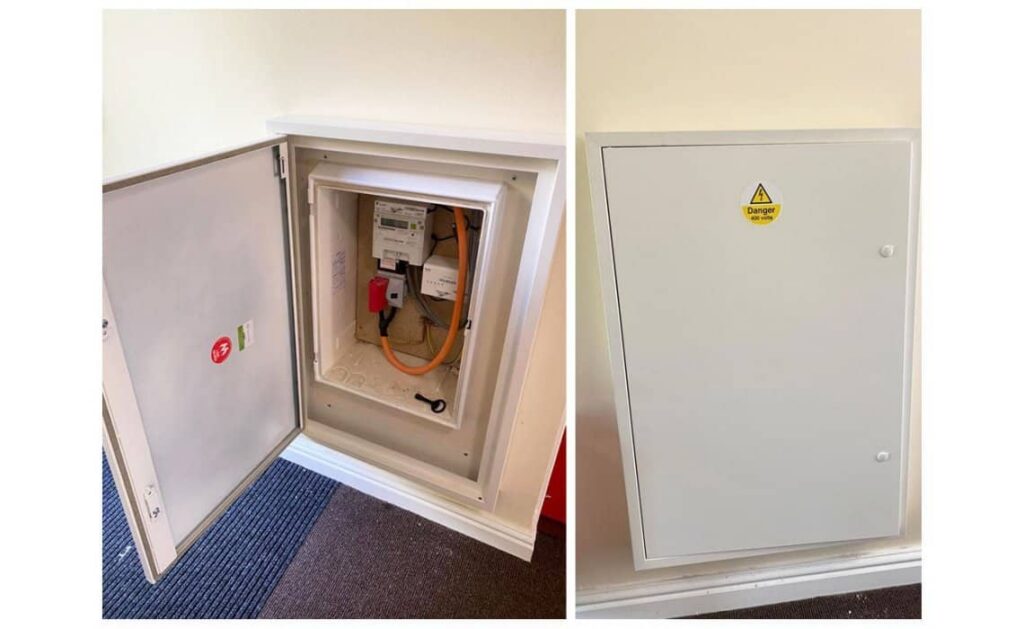
If you’re moving into a house or unit, your main switch is usually located in the meter box. This is commonly found at the front of the property, on the porch, in the garage, or on an external wall.
Keep in mind these can vary depending on the age of the property and the style of the meter box, see examples below.
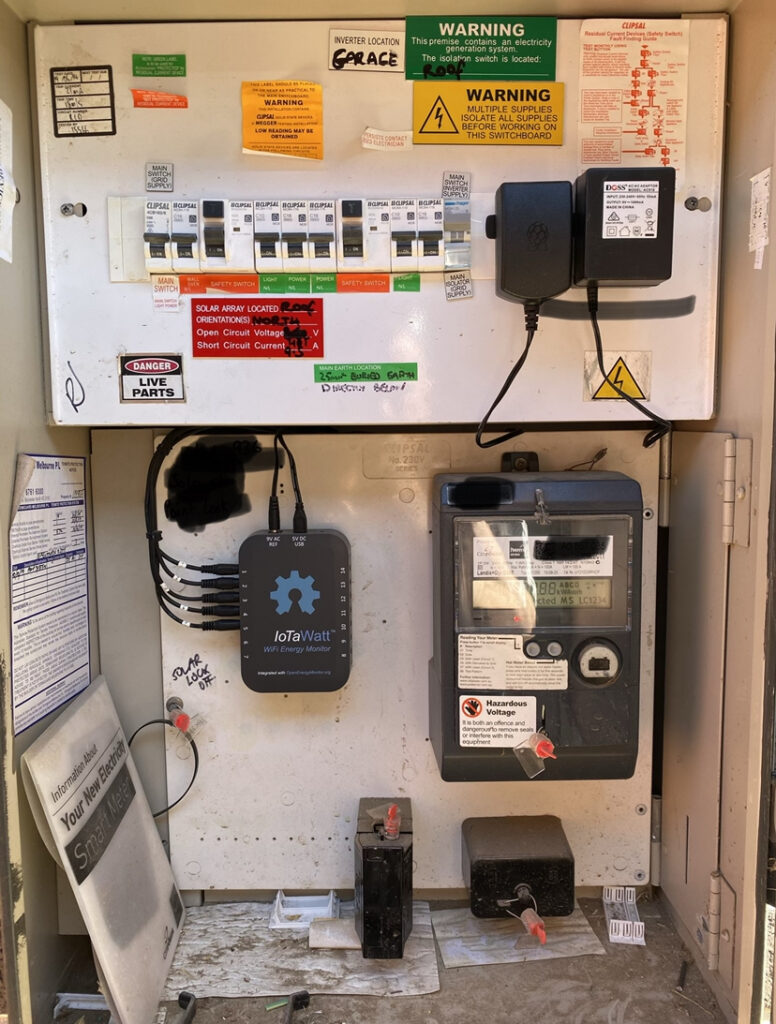
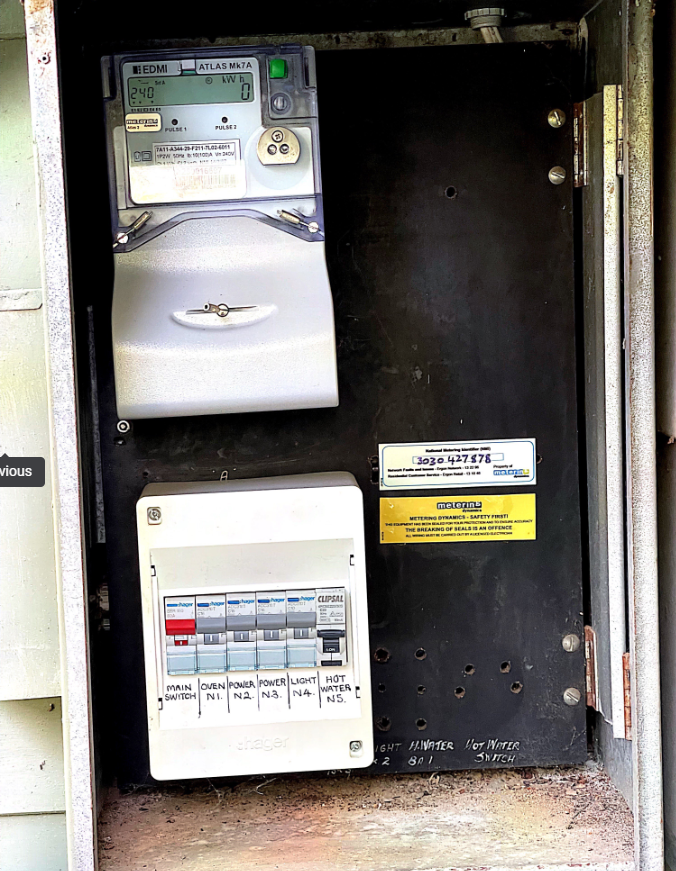
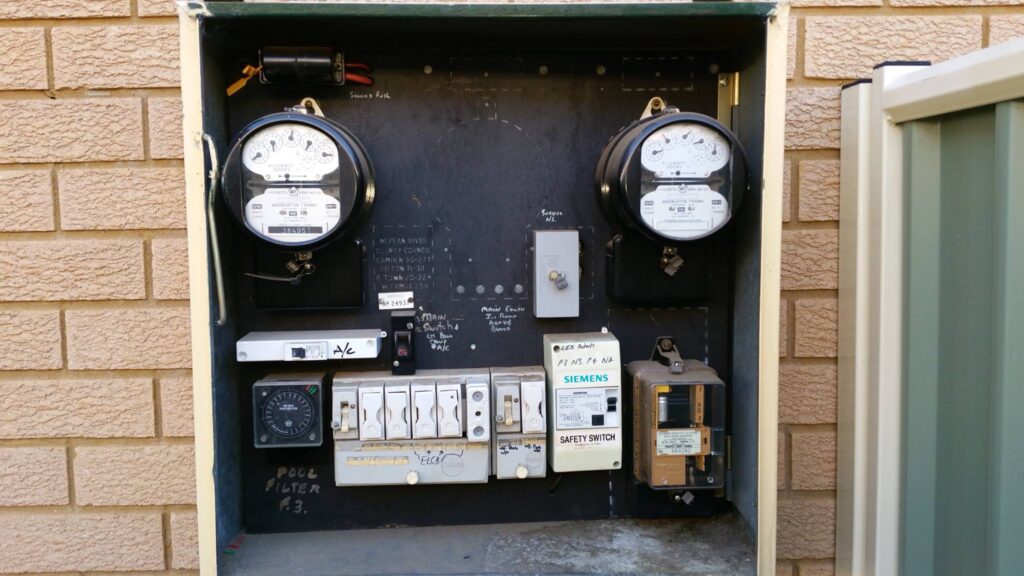
Source: Image 1: IoTaWatt, Image 2: NexaSolar, Image 3: Logical Choice Electrical
Apartment & Multi-dwelling building
If you’re moving into an apartment or multi-dwelling building, there’s often a centralised location for main switches and meter boxes, such as a meter room, basement, car park, or shared cabinet.
If there isn’t a centralised setup, your main switch may be located inside your residence, typically in the hallway, garage, cupboard, or under the sink, see examples below.
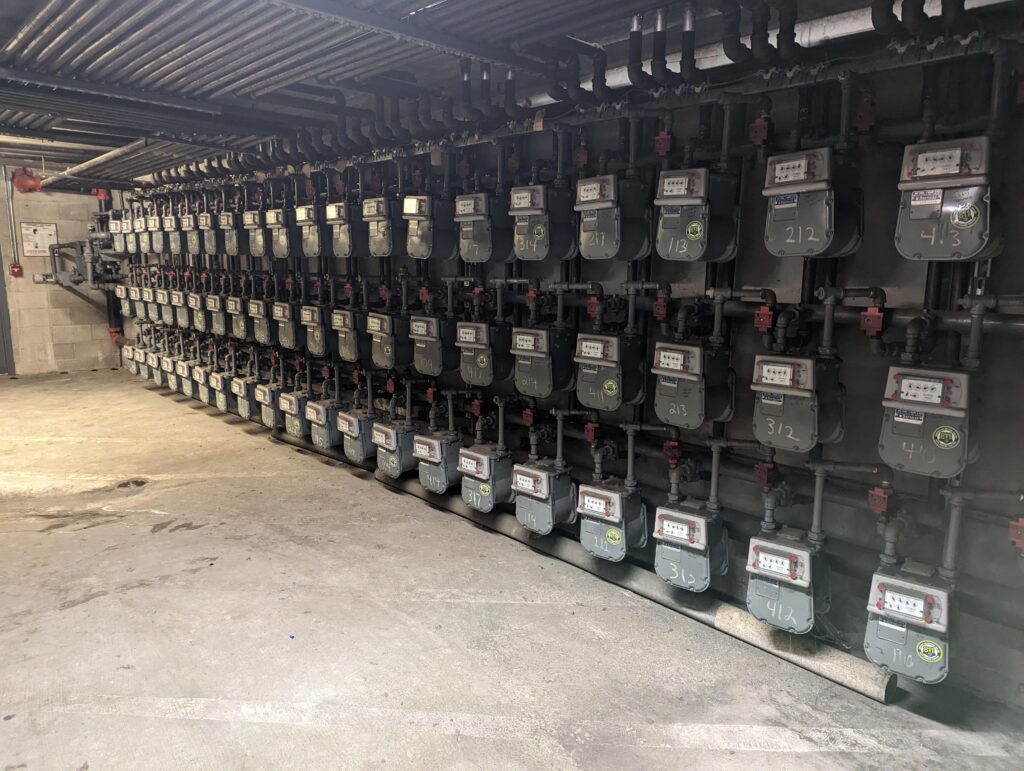
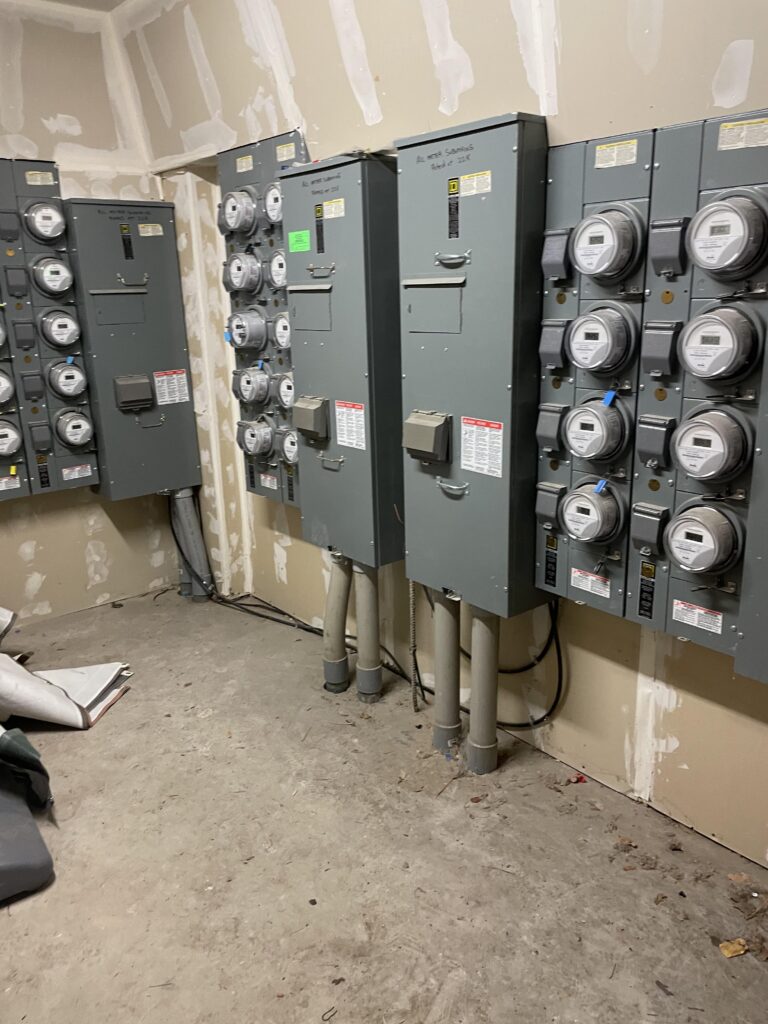
Source: Image 1: Reddit, Image 2: Trade Access Panels, Image 3: Reddit
How to turn your main switch off
Turning off your main switch is simple and takes just a few minutes. Simply follow the steps below:
Step 1: Open your meter box and locate the switch labelled “main switch.”
Step 2: Check if there’s also a separate hot water switch.
Step 3: Turn the main switch (and hot water switch, if you have one) to the off position, usually shown as “O” (off) vs “|” (on).
Step 4: Wait for your energy provider to confirm your electricity connection is complete.
Step 5: Once confirmed, turn the main switch and hot water switch back on.
Moving house can be stressful, but with the right planning, you can make the process smooth and hassle-free. This guide breaks down everything you need to do in the four weeks leading up to your moving date, ensuring nothing is forgotten. Follow this checklist to stay organised and make your move as stress-free as possible.
Looking for a more digestible to-do list? We’ve got you covered, with a dedicated moving checklist page that cuts straight to the chase – https://www.myconnect.com.au/checklist/
Need to arrange utility connections?
Get connected4 Weeks Before the Move
Settle Outstanding Bills
Before moving, pay off any outstanding bills for utilities, rent, or other services. This prevents unnecessary charges and ensures a clean financial slate for your new home.
Start Collecting Moving Boxes
Gather sturdy boxes of various sizes from local supermarkets, office supply stores, or online marketplaces. Consider purchasing specialty boxes for fragile items like glassware and electronics. Be sure to stock up on plenty of packing materials while you’re at it.
Notify Your Real Estate Agent or Landlord
If you’re renting, provide the required notice to your landlord or property manager. This ensures you get your bond back and allows them time to find new tenants.
Organise a Removalist or Moving Vehicle
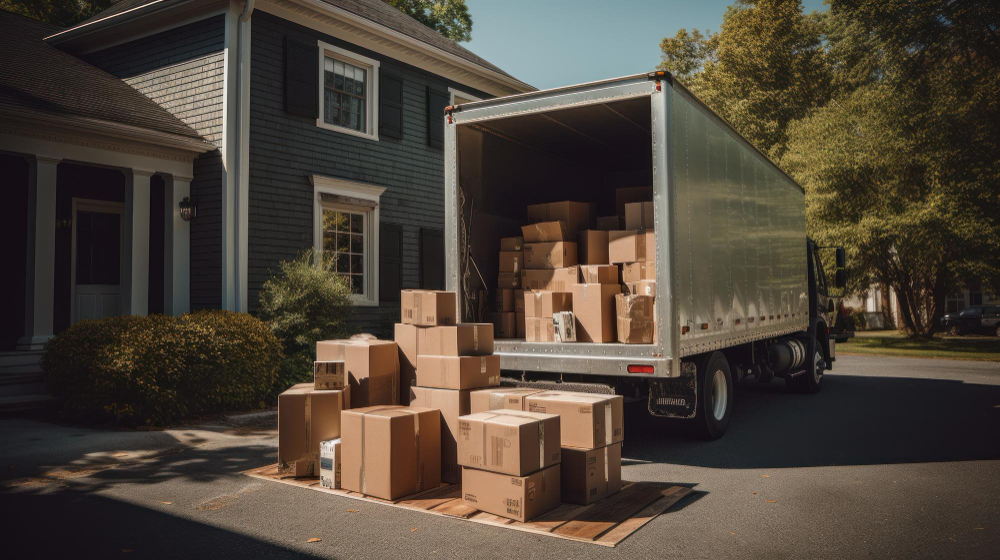
If you need professional help from movers, book a moving company early to secure your preferred date. If you plan to move yourself, consider reserving a truck or trailer well in advance.
Arrange a Cleaner or Gardener
If your lease requires professional cleaning, book a cleaner to ensure your property is spotless before handing over the keys. If you have a garden, arrange for it to be tidied before your final inspection.
Begin Packing Non-Essentials
Start packing items you won’t need before moving day, such as seasonal clothing, books, and decorative pieces. Label boxes with their contents to make unpacking easier.
Identify Fragile Items
Take note of fragile or valuable items that need extra care. Wrap them in bubble wrap and pack them securely to prevent damage during transit to your new house.
Declutter – Donate, Sell, or Throw Away Unwanted Items
Sort through your belongings and get rid of anything you don’t need. Sell items online, donate them to charity, or dispose of broken or unusable items responsibly.
Need to declutter larger items?
There comes a time in everyone’s life where they must say goodbye to some old belongings. Whether it be an old shirt that no longer fits after several washes or a watch that lags on time, certain items must be discarded. But doing that for larger items like furniture can be a headache.
Thankfully, there are tried and true methods to disposing of furniture. Whether those methods involve a bit of grit and DIY, or if you’d rather leave it into the hands of professionals, here are some helpful tips for furniture donation that you can find in the link below.
3 Weeks Before the Move
Label and Inventory Boxes
As you continue packing, attach inventory lists to each box, and note what’s inside and which room it belongs to. This makes unpacking far more efficient.
Organise Important Paperwork
Place important documents such as birth certificates, passports, and rental agreements in a clearly labeled box or folder that’s easily accessible.
Notify the Council for Pet Registration
If you have pets, inform your new council about your move so their registration details can be updated.

Update Your Address
Notify key organisations of your change of address, including:
- Banks
- Employers
- Australian Taxation Office (ATO)
- Superannuation funds
- Insurance providers
- Medicare
- Car registration, car insurance, and driver’s licence
- Memberships and loyalty programs
- Electoral commission
- Any potential subscription service
Australia Post’s Notify Organisations service can help streamline this process and set up mail redirections.
Who needs to know when moving house?
Moving home is a HUGE undertaking. Countless things will go through your mind, and informing outside parties of your new address may be just a passing thought with that long list of important items you need to tick off first.
We’ve compiled a comprehensive checklist of who needs to know about your change of address- so you can concentrate on the important things (like planning a housewarming party!).
Change of Address Checklist – Who needs to know when moving house?
2 Weeks Before the Move
Arrange Utility Connections for Your New Home
Contact MyConnect on 1300 854 478 or visit www.myconnect.com.au to organise electricity, gas, internet, and water connections at your new address.
Book a Cleaner for Your Current Home
If you haven’t already, finalise cleaning arrangements to ensure your rental bond is returned or your home is ready for its new owners.
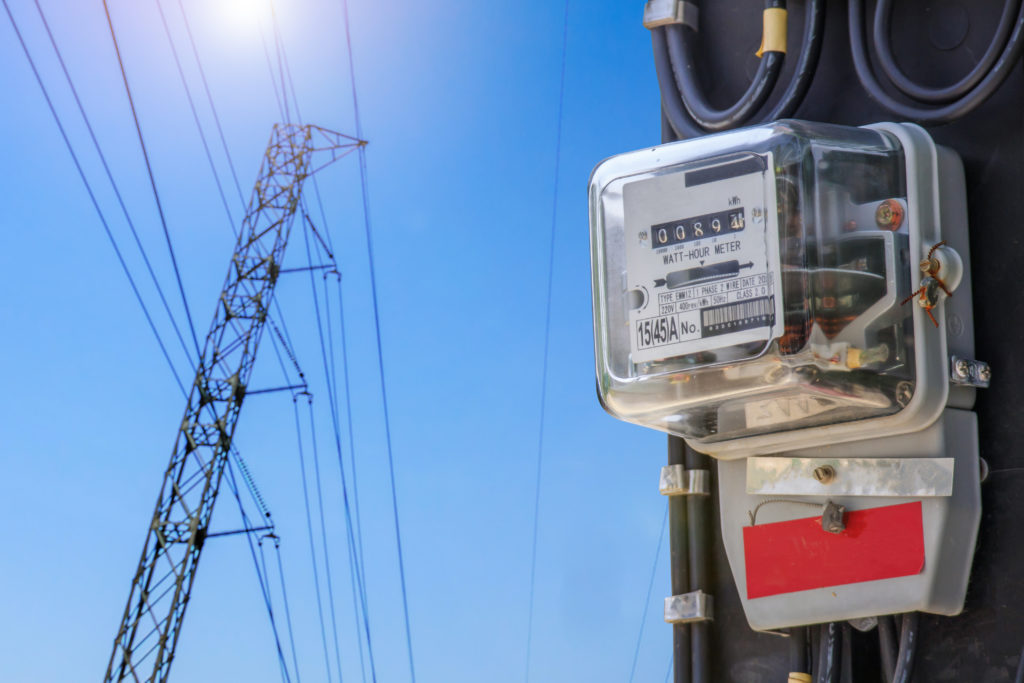
Schedule Final Meter Reads and Utility Disconnections
Contact your utility providers to arrange final meter reads and disconnect services at your old home. This prevents any unnecessary charges after you move out.
Organise Childcare for Moving Day
If you have young children, consider arranging for a babysitter or a family member to look after them on moving day. This will make the process less stressful and allow you to focus on the move.
1 Week Before the Move
Schedule a Final Property Inspection
If you’re renting, book a final property inspection with your landlord or property manager to ensure everything is in order.
Clean Out Your Fridge and Pantry
Start using up perishable food and avoid buying groceries in bulk. Empty and clean your fridge and pantry to prevent any mess during the move.
Deep Clean Your Oven
Many rental agreements require the oven to be cleaned before moving out. If you’re selling, a clean oven can also make a better impression on buyers.
Pack a “First Night” Essentials Box
Prepare a box with all the essentials for your first night in your new home, including:
• Clothing for the next day
• Toiletries (toothbrush, toothpaste, shampoo, soap, toilet paper)
• Sheets, blankets, linens, and towels
• Phone chargers
• A basic toolkit (screwdriver, scissors, tape, box cutter)
Keep Important Documents and Valuables with You
Instead of packing passports, jewelry, medical records, and other valuables in a moving truck, carry them with you for security.
Prepare a Pre-Cooked Meal for Moving Day
Moving is exhausting, and you may not have the energy to cook. Prepare and freeze a meal to defrost in advance so you can have an easy, home-cooked dinner on your first night.
Final Thoughts
Moving doesn’t have to be a chaotic experience. By following this step-by-step checklist, you can stay on track, reduce stress, and settle into your new home with ease without any last-minute worries. Start early, plan ahead, and enjoy the excitement of this new chapter!
Need to arrange utility connections?
Get connectedMoving to a new home can be both exciting and overwhelming, so it pays to have proper planning and organisation to ensure a smooth transition.
From top to bottom, here’s a comprehensive guide to planning a successful move in advance.
Cross Utilities Off Your List
Get connectedStart Early
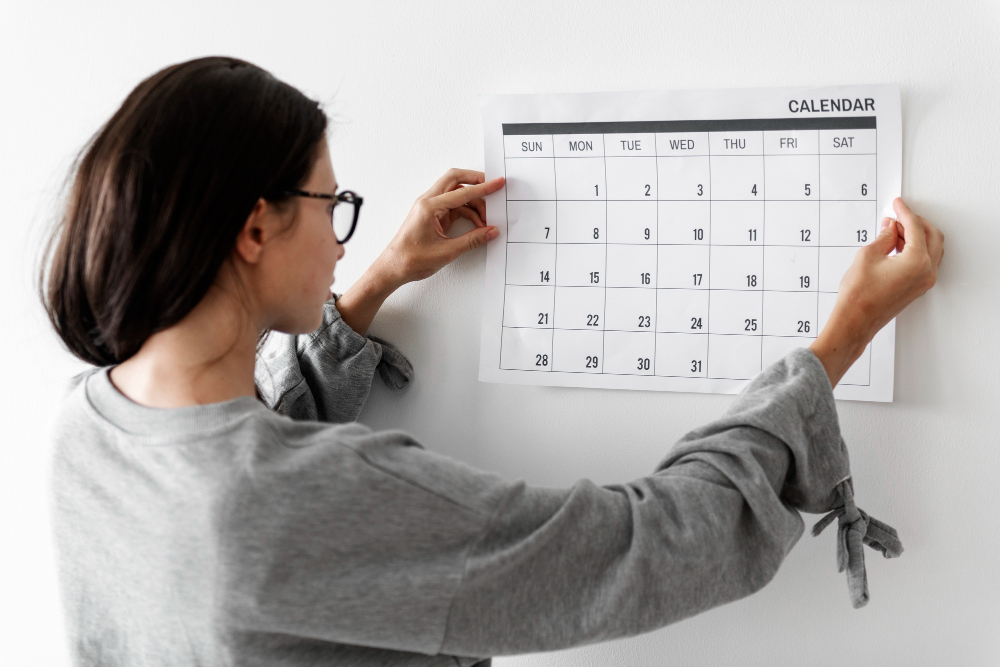
The key to success for anything is preparation time! Begin planning your move at least two months in advance and establish a timeline with specific tasks to complete each week leading up to your moving day. A moving checklist is a great way to ensure everything you need to do before moving day is set in motion.
Another way to start early prep is by reviewing your belongings and deciding what to keep, donate, sell, or discard. This will reduce the amount of stuff you need to move and even save you money on moving costs.


Budget for Your Move
Next up is estimating costs and considering all potential expenses, including moving services, packing supplies, transportation, and any necessary repairs or cleaning for your old and new homes.
Look for ways to cut costs, such as moving during off-peak seasons, borrowing packing supplies, or enlisting the help of friends and family.
Hire Professional Movers
If you need a moving truck or just want to make the moving process a little easier, it’s a great idea to go to the professionals and get quotes from multiple moving companies. Check reviews, verify credentials, and ask about insurance options to protect your belongings.
Once you’ve chosen a moving company, book their services as early as possible to ensure availability.

Gather Packing Supplies
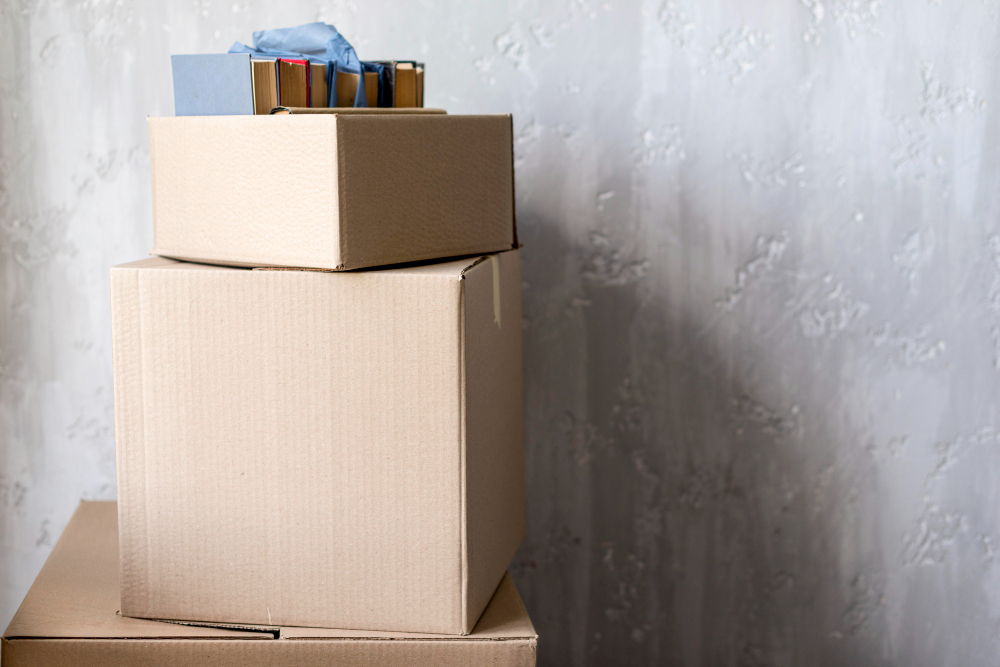
There’s no moving house without all the packing materials. You’ll need boxes, packing tape, bubble wrap for your valuables and fragile items, packing paper, and markers, so it’s best to start collecting these items well in advance and leave the less important items for the last minute.
Be sure to clearly label boxes with their contents and the room to which it belongs. This will make unpacking much easier and more organised.
Notify Important Parties
Often a key part of the moving process is one that’s forgotten, which is the change of address checklist. Update your address with the post office, banks, insurance companies, and any subscription services.
If needed, also inform your children’s schools and your employer about the move. Make arrangements for any necessary transfers or time off work.
Lastly, be sure to schedule disconnections for your current utilities and connections for your new home. Thankfully, we know a thing or two about utilities, so give us a call at 1300 187 449 or sign up online here!

Plan for Moving Day
To start your big moving day, pack an essentials box that includes items you’ll need immediately upon arrival at your new home, such as toiletries, a change of clothes, important documents, and basic kitchen supplies.
If you have pets or young children, arranging for a babysitter or pet sitter to look after them on your moving date is not a bad idea to reduce stress and distractions.
Another moving tip is to create an inventory list of all your belongings. This will help ensure nothing is lost or left behind and will be useful if you need to file an insurance claim.
Prepare Your New Home
Nobody likes entering a home with mess and dirt all over the place. Remember to clean your new home before moving in and check for any DIY repairs or maintenance tasks that must be addressed.
It’s also worth planning and deciding where your furniture and major appliances will go. This will save time and effort on moving day, and save the hassle of moving heavy items after an exhausting day!


Execute the Move
Now that you’re prepped for the new address move, it’s best to be present on a moving day to oversee the process and answer any questions the movers may have, especially regarding breakables in ordinary cardboard boxes and other important moving supplies.
Before leaving your old home, do a final walkthrough to ensure nothing is left behind and everything is in good condition.
Settle In
Once the chaos has settled and you can begin unpacking in your new house, start with the essentials and work through non-urgent items. Focus on one room at a time to stay organised and avoid a declutter session further down the line.
Now that the packing boxes have been emptied, take some time to explore your new area. Meet your neighbours, find local services, and familiarise yourself with what’s around town!

By following these steps, you can ensure a smooth and successful move, and even snag some helpful packing tips for your next move. Proper planning, organisation, and preparation are essential to reducing stress and creating a seamless transition to your new home.
Cross Utilities Off Your List
Get connectedAre you heading off to the snow this Winter or venturing to the beach in the Summer? Even if your next great commute is to the grocery store, we have got you covered!
Read below to see the top 5 things you need in your car next time you hit the road.
1. First Aid Kits & Car kits
First aid and Car kits should be mandatory for every road trip, long or short!
When travelling, safety is the number one priority. Most people know that your first aid kit should be packed with band-aids, burn-aids and other healthcare staples, but it is rare for people to consider packing an escape tool or two in their emergency kit.
Although it may seem like an unlikely situation, the 2021–2022 Queensland floods highlighted the importance of preparedness. It was reported that nearly one-third of all drowning deaths were related to people being stuck in their cars during the natural disaster.
Escape tools can be easily attached to your keys or left in your glove box, right next to the owner’s manual!. Tools can be found on Amazon for as little as $15, however, the peace of mind of having them may be priceless.

2. Umbrella
Have you ever tried to dry yourself off with a paper towel or sit under the hand dryer in the bathroom? Spoiler! It does not work very well.
One of our top tips, especially with Australia’s unpredictable weather, is to pack an umbrella into your vehicle. The peace of mind that comes with having an umbrella packed when it starts to drizzle is unparalleled. Let’s be frank, singing in the rain is not like the movies!
Umbrellas come in all shapes and sizes, so they can be easily stored in your glove compartment or conveniently tucked under your back seat.

3. A Change of Clothes
It might seem strange, but you never know when a wardrobe malfunction could arise. Whether it’s a spill of coffee on your shirt, your water bottle tipping over on you, or even a rip in the pants, keeping a spare change of clothes is the backup plan you’ll never know you need until such a situation calls!

Bonus Tip
Leave two outfits in your car, one formal and one casual. This means that whether it is a business meeting, a hangout with friends, or a date night, you are ready to go!
4. Tool Kit
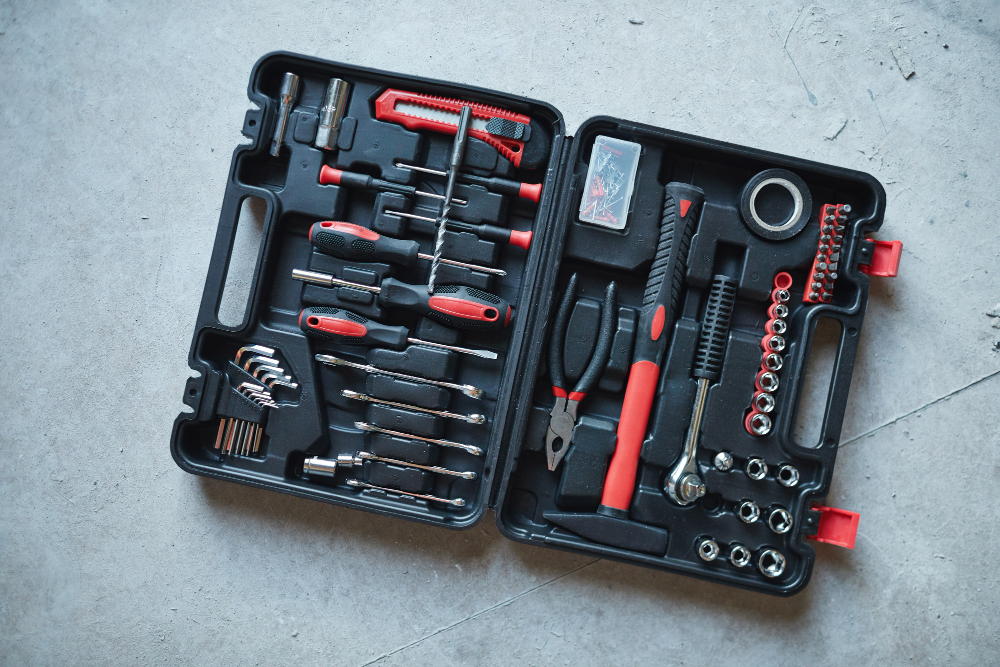
Tools, Tools, Tools! Now, we don’t expect you to be Bob the Builder, but we do think it is a great idea to have a small set of tools set up in your car.
We aren’t just talking about jumper cables for your car battery (Even though please have these because a dead battery is a pain!) But we’re talking about a good old multi-tool, lug wrench, and tire inflator. You never know when you are going to have a flat tire!
Next time you are pulled over on the side of the road or your friends need a jump start, you’re going to thank us for this one.
5. Phone Charger
If you are anything like us, you spend a lot of time on your cell phone, and the last thing you need in 2023 is for it to go flat. While some people’s cars have built-in wireless chargers, other people purchase cables and USB chargers from stores online – we can’t all live like The Jetsons.
The handy USB charger has saved us many times and is the Unofficial hero of long road trips, earning itself a place at number 5 on our list!