

Moving house can be stressful, but with the right planning, you can make the process smooth and hassle-free. This guide breaks down everything you need to do in the four weeks leading up to your moving date, ensuring nothing is forgotten. Follow this checklist to stay organised and make your move as stress-free as possible.
Looking for a more digestible to-do list? We’ve got you covered, with a dedicated moving checklist page that cuts straight to the chase – https://www.myconnect.com.au/checklist/
Need to arrange utility connections?
Get connected4 Weeks Before the Move
Settle Outstanding Bills
Before moving, pay off any outstanding bills for utilities, rent, or other services. This prevents unnecessary charges and ensures a clean financial slate for your new home.
Start Collecting Moving Boxes
Gather sturdy boxes of various sizes from local supermarkets, office supply stores, or online marketplaces. Consider purchasing specialty boxes for fragile items like glassware and electronics. Be sure to stock up on plenty of packing materials while you’re at it.
Notify Your Real Estate Agent or Landlord
If you’re renting, provide the required notice to your landlord or property manager. This ensures you get your bond back and allows them time to find new tenants.
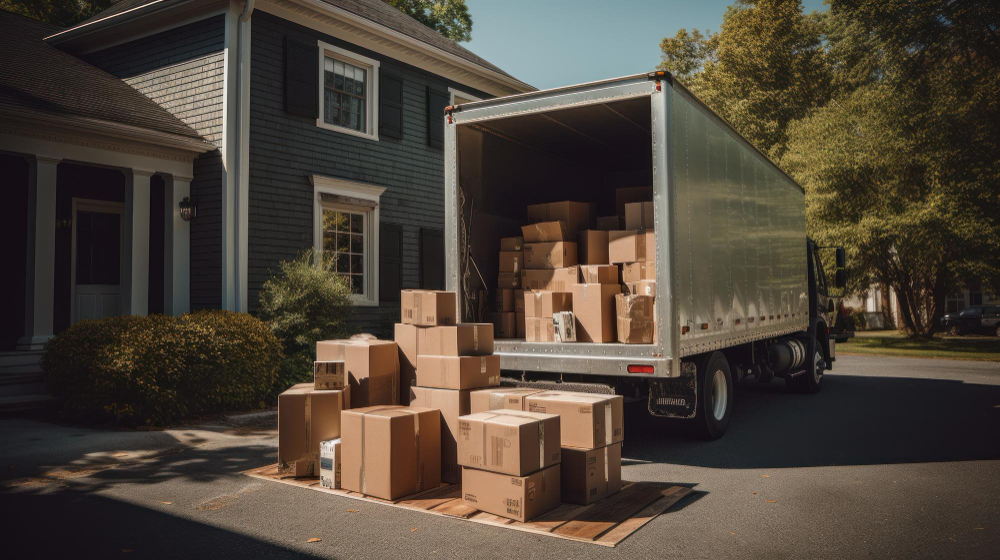
Organise a Removalist or Moving Vehicle
If you need professional help from movers, book a moving company early to secure your preferred date. If you plan to move yourself, consider reserving a truck or trailer well in advance.
Arrange a Cleaner or Gardener
If your lease requires professional cleaning, book a cleaner to ensure your property is spotless before handing over the keys. If you have a garden, arrange for it to be tidied before your final inspection.
Begin Packing Non-Essentials
Start packing items you won’t need before moving day, such as seasonal clothing, books, and decorative pieces. Label boxes with their contents to make unpacking easier.
Identify Fragile Items
Take note of fragile or valuable items that need extra care. Wrap them in bubble wrap and pack them securely to prevent damage during transit to your new house.
Declutter – Donate, Sell, or Throw Away Unwanted Items
Sort through your belongings and get rid of anything you don’t need. Sell items online, donate them to charity, or dispose of broken or unusable items responsibly.
Need to declutter larger items?
There comes a time in everyone’s life where they must say goodbye to some old belongings. Whether it be an old shirt that no longer fits after several washes or a watch that lags on time, certain items must be discarded. But doing that for larger items like furniture can be a headache.
Thankfully, there are tried and true methods to disposing of furniture. Whether those methods involve a bit of grit and DIY, or if you’d rather leave it into the hands of professionals, here are some helpful tips for furniture donation that you can find in the link below.
3 Weeks Before the Move
Label and Inventory Boxes
As you continue packing, attach inventory lists to each box, and note what’s inside and which room it belongs to. This makes unpacking far more efficient.
Organise Important Paperwork
Place important documents such as birth certificates, passports, and rental agreements in a clearly labeled box or folder that’s easily accessible.
Notify the Council for Pet Registration
If you have pets, inform your new council about your move so their registration details can be updated.

Update Your Address
Notify key organisations of your change of address, including:
- Banks
- Employers
- Australian Taxation Office (ATO)
- Superannuation funds
- Insurance providers
- Medicare
- Car registration, car insurance, and driver’s licence
- Memberships and loyalty programs
- Electoral commission
- Any potential subscription service
Australia Post’s Notify Organisations service can help streamline this process and set up mail redirections.
Who needs to know when moving house?
Moving home is a HUGE undertaking. Countless things will go through your mind, and informing outside parties of your new address may be just a passing thought with that long list of important items you need to tick off first.
We’ve compiled a comprehensive checklist of who needs to know about your change of address- so you can concentrate on the important things (like planning a housewarming party!).
Change of Address Checklist – Who needs to know when moving house?
2 Weeks Before the Move
Arrange Utility Connections for Your New Home
Contact MyConnect on 1300 854 478 or visit www.myconnect.com.au to organise electricity, gas, internet, and water connections at your new address.
Book a Cleaner for Your Current Home
If you haven’t already, finalise cleaning arrangements to ensure your rental bond is returned or your home is ready for its new owners.
Schedule Final Meter Reads and Utility Disconnections
Contact your utility providers to arrange final meter reads and disconnect services at your old home. This prevents any unnecessary charges after you move out.
Organise Childcare for Moving Day
If you have young children, consider arranging for a babysitter or a family member to look after them on moving day. This will make the process less stressful and allow you to focus on the move.
1 Week Before the Move
Schedule a Final Property Inspection
If you’re renting, book a final property inspection with your landlord or property manager to ensure everything is in order.
Clean Out Your Fridge and Pantry
Start using up perishable food and avoid buying groceries in bulk. Empty and clean your fridge and pantry to prevent any mess during the move.
Deep Clean Your Oven
Many rental agreements require the oven to be cleaned before moving out. If you’re selling, a clean oven can also make a better impression on buyers.
Pack a “First Night” Essentials Box
Prepare a box with all the essentials for your first night in your new home, including:
• Clothing for the next day
• Toiletries (toothbrush, toothpaste, shampoo, soap, toilet paper)
• Sheets, blankets, linens, and towels
• Phone chargers
• A basic toolkit (screwdriver, scissors, tape, box cutter)
Keep Important Documents and Valuables with You
Instead of packing passports, jewelry, medical records, and other valuables in a moving truck, carry them with you for security.
Prepare a Pre-Cooked Meal for Moving Day
Moving is exhausting, and you may not have the energy to cook. Prepare and freeze a meal to defrost in advance so you can have an easy, home-cooked dinner on your first night.
Final Thoughts
Moving doesn’t have to be a chaotic experience. By following this step-by-step checklist, you can stay on track, reduce stress, and settle into your new home with ease without any last-minute worries. Start early, plan ahead, and enjoy the excitement of this new chapter!
Need to arrange utility connections?
Get connectedIt goes without saying that renting a home is a big financial commitment, and it’s crucial to assess how much rent you can afford before signing a lease.
In Australia, where rental prices vary widely depending on the city and neighbourhood, understanding your budget and the factors influencing rental costs is essential.
With that being said, here’s a guide to help you figure out how much rent you can afford.
Cross Utilities Off Your List
Get connectedDetermine Your Budget
The first step in figuring out how much rent you can afford is to create a detailed rental budget. This involves calculating your monthly income and expenses so you can compare the budget to the potential rent payment.
When calculating your income, be sure to include your net income after taxes. If you have multiple sources of income, add them all up.
Be sure to list all your monthly expenses, including utilities, groceries, transportation, insurance, entertainment, savings, and any debt repayments to any loans or credit cards.

The 30% Rule
A common guideline when it comes to affordability for monthly rent is to spend no more than 30% of your gross monthly income on rent. This self-imposed rule helps ensure that you have enough left over for other essential living expenses and savings.
For example, if your monthly gross income is $5,000, then the calculation should be; 0.30×5,000=15,000.30. You should aim to spend no more than $1,500 on rent in this case.
An even better alternative to crunching the numbers is using our calculator below to determine what 30% of your monthly gross income looks below!
Consider Your Lifestyle and Priorities
While the 30% rule is a good starting point, your personal circumstances might require adjustments. Things like location, household size and any additional future plans will either assist the 30% you’ve got to work with or force some changes in looking at rental properties in high-demand houses.
Rent prices in major cities like Sydney and Melbourne are higher compared to regional areas, so be sure to determine what amenities and proximity to work or school are important to you. Renting a larger place for a family will naturally cost more than a smaller apartment for one or two people too.
Lastly, if you plan to save for a home deposit or other major expenses, you might want to allocate less to rent.

Additional Costs
Rent is not the only expense when renting a property, as there are several additional expenses to factor in. This ranges from utilities and insurance to maintenance and bond.
Some properties may require you to cover minor maintenance and repair costs, which are typically listed in the tenancy agreement so you’re not blindsided by the costs.
Other additional costs include the cost of hiring movers or renting a vehicle, and having enough funds for the rental bond, which is the equivalent of 4-6 weeks’ rent and will be required upfront.
Lastly, take into account the cost of contents insurance and how much your utility bills will cost, including electricity, gas, internet and water. If you need a glimpse into how much these bills with add up to, check out our article on the average utility bill cost for Australians here!
The not-so-obvious costs
Behind the thrill of moving to a new house lies a series of hidden costs that can quickly add up if you’re not aware of them!
Check out our article below on the hidden costs of moving house, where we dive into all the sneaky additional costs that the average Australian mover can come to expect when moving house.
How is Monthly Rent Calculated?
Rent is typically quoted per the weekly rate, and payments are made per calendar month. The most common mistake renters make is to assume that there are 4 weeks in a month. As you may have already discovered, multiplying your weekly rental payments by 4 does not equal the monthly rent vs weekly rent owed.
Why? The answer is simple, not every month has an equal number of days. This means that calculating your monthly rent is not as straightforward as multiplying the weekly rent by 4 or the fortnightly rent by 2 (and don’t forget leap years).
To calculate your monthly rent repayment, use this simple formula to convert weekly rent into the monthly rent payment.
- Step 1: Weekly Rent ÷ 7 = Daily Rent amount
- Step 2: Daily Rent x 365 = Yearly Rent amount
- Step 3: Yearly Rent ÷ 12 = Monthly rent amount
For example, if the rent is quoted as being $400 per week, we would plug 400 into the formula to get the monthly rent amount (step 3) below.
- Step 1: 400 ÷ 7 = 57.14
- Step 2: 42.85 x 365 = 20,856
- Step 3: 20,856 ÷ 12 = 1,738
If the weekly rent rate is $400, the monthly rent repayment will total $1,738.
Voilà!
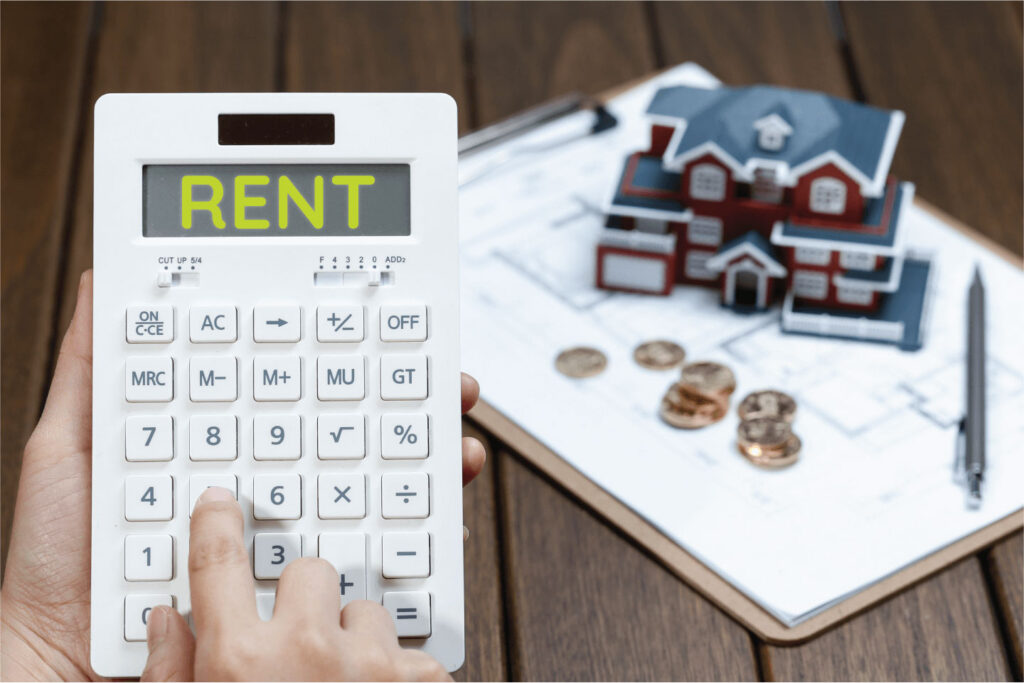
Use Our Rent Calculator!
To save you the hassle of punching in the numbers above, we’ve created our own calculator so you can calculate your potential rent costs from weekly to monthly.
A quick disclaimer: We give no warranties on rent calculations, rent increases, interest rates, or monthly rent repayments. If you have any further input or any questions about leasing a rental property, make sure you contact your real estate agent or property manager. They will explain your month’s rent, security deposit, upfront costs, rental period, and any other tenancy or leasing concerns you may have!
Evaluate Rental Market Trends
Once you’ve laid out your financial goals and rental budget, it’s not a bad idea to keep an eye on the rental market trends in your desired location.
Websites like Domain, Realestate.com.au, and local real estate agencies provide up-to-date information on average rental prices and trends in different suburbs and cities.
Cross Utilities Off Your List
Get connectedDetermining how much rent you can afford in Australia requires careful consideration of your financial situation, lifestyle, and the rental market.
By adhering to the 30% rule, creating a detailed budget, and factoring in additional costs, you can make an informed decision that ensures you live comfortably within your means. Remember to regularly review your budget and adjust as needed, especially if your income or expenses change.
Behind the thrill of moving to a new house lies a series of hidden costs that can quickly add up, turning your move into an unexpectedly expensive affair. Understanding these hidden moving costs is crucial for proper planning and budgeting.
In this article, we dive into all the sneaky additional costs that the average Australian mover can come to expect when moving house.
Cross Utilities Off Your List
Get connectedPacking Supplies
When budgeting for a move, it’s quick to overlook the cost of packing supplies. Cardboard boxes, tape, bubble wrap, and other packing materials can add up, especially if you have a lot of valuables to move.
On top of that, specialty boxes for items like mirrors, artwork, and televisions are even more expensive! While some removalist companies include basic packing supplies in their fees, many do not, leaving you to foot the bill through these extra costs.
Moving Services
If you opt to hire professional removalists to pack your belongings, be prepared for a significant extra charge compared to the DIY method of packing and unpacking.
Professional packing service can save you time and ensure your items are securely packed, but this convenience comes at a price. The average cost of hiring removalists in Australia can vary widely depending on the volume of items and the time required at an hourly rate.
Insurance
Standard moving insurance provided by moving companies often offers minimal coverage, usually based on weight rather than the actual value of your items.
You’ll need to purchase additional contents insurance if you want comprehensive protection. This extra insurance can provide peace of mind, but it’s an added expense that many people forget to include in their total costs.

Content about content (insurance)
Curious about contents insurance and whether you need it or not? Check out our article about contents insurance so you can make your own judgment call!

Storage Fees
If there’s a gap between your move-out and move-in dates, you might need to store your belongings temporarily.
Storage fees can vary based on the size of the unit and the duration of storage. Climate-controlled units, which are essential for sensitive items, can be even more expensive, so it’s worth a check on what needs to be stored and what can go by the wayside when you’re decluttering.
Travel Costs
Moving long distances can incur significant travel costs. These include fuel for your vehicle (whether that be by car or moving truck), tolls, lodging, and meals during the trip.
If you’re hiring a moving company for an interstate move, their travel expenses, including fuel surcharges, meals, and lodging for the crew, will also be added to your bill.

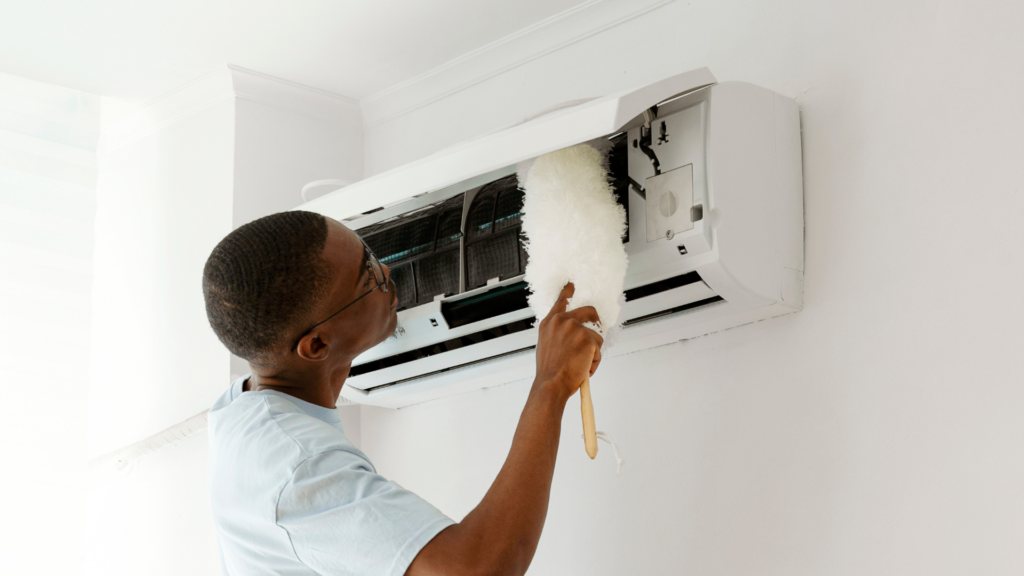
Cleaning Costs
Before leaving your old home to head to your new address, you may need to clean it thoroughly to get your bond back if you’re in a rental property, or to prepare it for the next owners.
This might involve hiring professional cleaners, especially if you have a large home or if your lease requires professional cleaning.
Tackling Cleaning
End-of-lease coming up soon? Well, get ready to grab your bleach and cleaning products, slip on the heavy-duty gloves and follow our checklist on end-of-lease cleaning!
Repair and Maintenance Costs
Both your old and new homes might require some maintenance before and after the move. This could include patching holes in walls, fixing plumbing issues, or updating outdated fixtures.
These repair costs can be surprisingly high and are often overlooked in the initial budgeting process.


Replacement of Household Items
It’s common to find that some furniture and appliances don’t fit or suit the new location, especially when downsizing to a small apartment.
You might need to buy new furniture, curtains, or appliances, which can be a considerable expense. Additionally, items may get damaged during the house move, which will require replacement or repair.
Time Off Work
Moving is time-consuming, and you may need to take time off work to manage the process. Whether for packing, the actual moving day, or settling into your new home, lost wages can add up.
Be sure to consider this potential loss of income when planning your local move.

By being aware of these hidden costs, you can make your move smoother and stress-free, ensuring that your new beginning starts on the right financial foot.
If you need help getting your utilities connected sorted, give MyConnect a call on 1300 854 478 or use the Get Connected form here! All residents from Melbourne, Brisbane, Sydney and more can get connected today. If you’re a first-time home buyer and you’re unsure about using a utility connection company, this post here can assist you.
Cross Utilities Off Your List
Get connectedMoving to a new home can be both exciting and overwhelming, so it pays to have proper planning and organisation to ensure a smooth transition.
From top to bottom, here’s a comprehensive guide to planning a successful move in advance.
Cross Utilities Off Your List
Get connectedStart Early
The key to success for anything is preparation time! Begin planning your move at least two months in advance and establish a timeline with specific tasks to complete each week leading up to your moving day. A moving checklist is a great way to ensure everything you need to do before moving day is set in motion.
Another way to start early prep is by reviewing your belongings and deciding what to keep, donate, sell, or discard. This will reduce the amount of stuff you need to move and even save you money on moving costs.

Budget for Your Move
Next up is estimating costs and considering all potential expenses, including moving services, packing supplies, transportation, and any necessary repairs or cleaning for your old and new homes.
Look for ways to cut costs, such as moving during off-peak seasons, borrowing packing supplies, or enlisting the help of friends and family.
Hire Professional Movers
If you need a moving truck or just want to make the moving process a little easier, it’s a great idea to go to the professionals and get quotes from multiple moving companies. Check reviews, verify credentials, and ask about insurance options to protect your belongings.
Once you’ve chosen a moving company, book their services as early as possible to ensure availability.

Gather Packing Supplies
There’s no moving house without all the packing materials. You’ll need boxes, packing tape, bubble wrap for your valuables and fragile items, packing paper, and markers, so it’s best to start collecting these items well in advance and leave the less important items for the last minute.
Be sure to clearly label boxes with their contents and the room to which it belongs. This will make unpacking much easier and more organised.
Notify Important Parties
Often a key part of the moving process is one that’s forgotten, which is the change of address checklist. Update your address with the post office, banks, insurance companies, and any subscription services.
If needed, also inform your children’s schools and your employer about the move. Make arrangements for any necessary transfers or time off work.
Lastly, be sure to schedule disconnections for your current utilities and connections for your new home. Thankfully, we know a thing or two about utilities, so give us a call at 1300 187 449 or sign up online here!


Plan for Moving Day
To start your big moving day, pack an essentials box that includes items you’ll need immediately upon arrival at your new home, such as toiletries, a change of clothes, important documents, and basic kitchen supplies.
If you have pets or young children, arranging for a babysitter or pet sitter to look after them on your moving date is not a bad idea to reduce stress and distractions.
Another moving tip is to create an inventory list of all your belongings. This will help ensure nothing is lost or left behind and will be useful if you need to file an insurance claim.
Prepare Your New Home
Nobody likes entering a home with mess and dirt all over the place. Remember to clean your new home before moving in and check for any DIY repairs or maintenance tasks that must be addressed.
It’s also worth planning and deciding where your furniture and major appliances will go. This will save time and effort on moving day, and save the hassle of moving heavy items after an exhausting day!


Execute the Move
Now that you’re prepped for the new address move, it’s best to be present on a moving day to oversee the process and answer any questions the movers may have, especially regarding breakables in ordinary cardboard boxes and other important moving supplies.
Before leaving your old home, do a final walkthrough to ensure nothing is left behind and everything is in good condition.
Settle In
Once the chaos has settled and you can begin unpacking in your new house, start with the essentials and work through non-urgent items. Focus on one room at a time to stay organised and avoid a declutter session further down the line.
Now that the packing boxes have been emptied, take some time to explore your new area. Meet your neighbours, find local services, and familiarise yourself with what’s around town!

By following these steps, you can ensure a smooth and successful move, and even snag some helpful packing tips for your next move. Proper planning, organisation, and preparation are essential to reducing stress and creating a seamless transition to your new home.