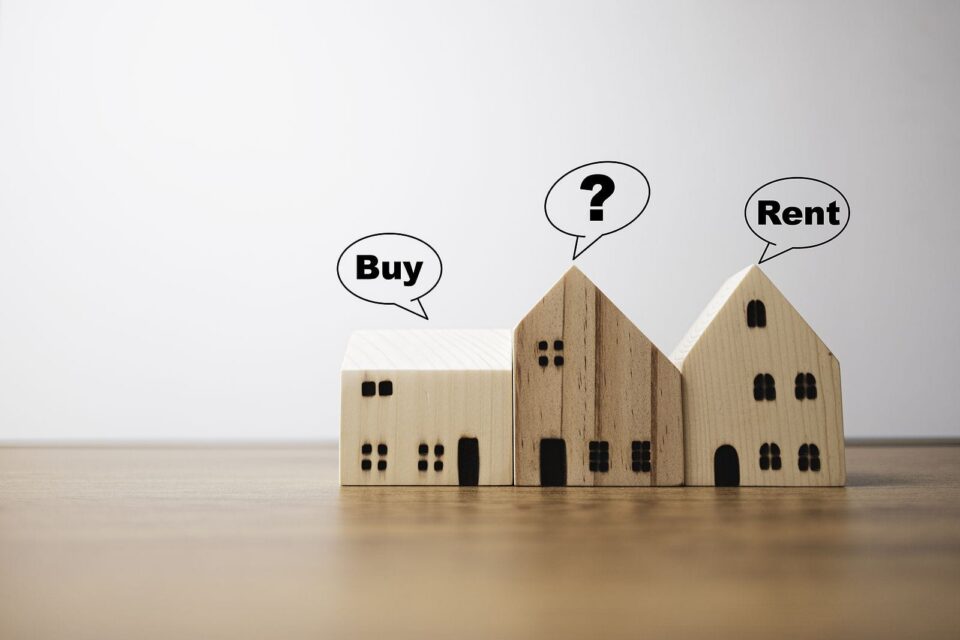
So you want to move out… but what next? Moving out for the first time is incredibly exciting, daunting, and maybe a little terrifying – it’s okay, you can admit it!
You may be moving out with friends, a partner, to a house-share or student accommodation. Whatever your situation, it’s a big milestone.
Budget
It’s the big one.
Moving for the first time can cause a few jump scares when the unexpected costs start racking up.
Most real estates will require renters to provide the first month’s rent in advance, plus a bond (usually equal to a month’s rent) to secure the lease. Make sure you have saved enough to put a bond + rent down within the first 24 – 48 hours after being accepted.
We recommend practising paying rent to yourself before you move out to ensure your finances are adding up and your spending habits are in check. This will help rack up your savings and ensure you have enough for your bond.
Rent is a given, but there’s a lot more that comes with your first move… the furniture, the bedframe, the fridge, the toaster that you took for granted until you really need it. Of course, there are ways to ease the load on your credit card (PSA: our guide on The Hidden Costs of Moving House does just that!), but despite how savvy you are, you’ll still need a bit of cash upfront to get yourself comfortable. An alternative to splashing out on furnishing your new place is by securing a fully-furnished property, but they generally cost a little more each week and are slightly harder to come by.
A spreadsheet to keep a tally of likely expenses goes a long way. There will be one-time setup costs and ongoing costs.
A few things to consider are:
Set up:
- Bond + first month’s rent
- Utility providers’ connections (shameless plug, we are a free service!)
- Moving company fees
- Parking permit fees
- Bedroom: Bed, mattress, bedframe
- Kitchen: Plates, bowls, cutlery, pots, pans, chopping boards
- Modem/router – if you work from home, make sure you have your modem and your internet service connected prior to moving day!
Ongoing:
- Rent
- Electricity, gas (if required) and Wi-Fi connections.
- Cleaning supplies
- Toiletries
- First aid kits (trust us, there’s nothing worse than a killer hangover and no Panadol in sight!)
- Subscription services
- Food costs (home-cooked or takeout)
- Gym memberships/fitness clubs
- Public transport
- Insurance (car, contents, health)

Wrapping your head around it
Moving out is a bigger mindset shift than most people realise, even if they plan for it.
You’ll learn about yourself, develop independence, how to budget, and become a champion for a whole new level of appreciation for those at home. Those dishes definitely don’t wash themselves!
Your first move means you’re now responsible for a lot of smaller tasks that you may not have had to consider too much before. Laundry, cleaning routines, food shopping and bill management will now be part of your repertoire. Schedule time throughout the week for these tasks, as they will mount up quickly if you let them spiral. Ensure that you maintain good habits after you move out. If you’re an active person at home or you’re used to home-cooked meals, make sure you keep up your routines when you move out. Sure, a takeaway or two won’t hurt, but try to start as you mean to go on.
Moving out can feel a little isolating, so make sure you give yourself a bit of love during your first couple of weeks. Ask your parents for their best comfort food recipe, invite some friends round, check in with family or bring some sentimental items from your home to make your new home more familiar. Having a lack of structure can contribute to a sense of loneliness or free–falling that many first-time movers report. If you have pre-arranged catch-ups in your calendar, you’ll be less likely to doom scroll social media and stick to your routine.
Understanding the jargon
If you’re a first-time mover and new to the world of rent, the jargon can be a little difficult to decipher. It’s important to know what your contract actually means before signing it and what your rights are, so here are a few rental terms dissected.
A fixed-term lease vs. a periodic lease
A fixed-term lease is a legally binding contract with a specific duration attached to it, usually for about 12 months. You’ll often hear people say they “signed on the house for another year”. A periodic lease is also known as a “month-to-month lease”,, where the tenant or rental provider can more easily end the lease. Usually, a renter needs to give about 30 days’ notice, though this can vary between contracts, so it’s always best to check the fine print of your contract. Usually, people will enter a periodic lease after their fixed-term lease ends.
What is a bond, and where does it go?
A bond is a set amount of money (usually equal to your first month’s rent) that is paid when you sign the contract. The bond is usually kept by a separate, residential bond authority. For example, in VIC we have the RTBA, in NSW they have the Rental Bonds Online by NSW Fair Trading. The bond is to protect the rental provider in case the tenant causes any damage to the property or if rent is not paid.
Condition Report
A condition report is a document outlined by the property manager about the state of the property before you moved in. The property manager will send it to you when you collect the keys. You will need to go through each item and check if you agree or disagree with what they have said. Make note of any discrepancies so that any existing damage to the property is well documented, and your bond is not affected. Key things to look for are: marks on walls, scratches on the floor or anything damaged or broken. It’s always best to complete the condition report when the property is completely vacant so you can spot issues easily.
Notice Periods
A notice period is the amount of time that you need to give your rental provider or property manager before leaving. This can vary, so it’s best to check your agreement to see what your specific contract says.
For example, if you’re on a fixed-term, 12-month lease, you would be expected to stay for the 12 months. If you move out earlier, you may need to pay a lease break fee or cover rent until a new tenant is found. Some contracts outline re-advertising fees or marketing fees, too. If you’re on a periodic lease, most contracts require 30 days’ notice to leave.
Routine Inspections
Property managers and/or rental providers are allowed to come into the home to check the current state of the property. Usually, these inspections happen periodically throughout the year, and tenants must be given advance notice of the inspection.

Share Houses
If you’re moving out for the first time, a share house is usually a good place to start. The costs rack up quickly when living on your own, so a share house can be a great way to gain independence whilst watching the budget. Having roommates can also ease the loneliness some people feel when moving out, too.
Some opt to live with friends they know already, and some jump right in and live with strangers. They won’t be strangers for long, though, so whilst housemate horror stories can prove to be hilarious in later years, it’s best to set the ground rules first. Have frank and honest conversations before moving in to ensure that everyone is on the same page. Communication is key, so try to keep an ongoing conversation regarding the house dynamics to ensure everyone’s well-being is maintained and boundaries are respected.
On your first night, try to organise a house dinner or a games night to get to know your new housemates and set the tone for how you’d like your new home to be.
Get started now with our form
Get connectedInspections
Before signing the lease on your new home, make sure to attend plenty of inspections to get a feel for what you do and don’t like. List your non-negotiables and things you’d be happy to have, but can compromise on. During the inspection, walk through the property at least once, then video walk through. Use this to refer back to when you’re deciding whether or not to apply. Film inside all the cupboards and cabinets so that you can start planning where your things will go, and bring a measuring tape to check if your furniture and/or appliances fit.
Helpful pointers to check for at inspections are:
- Is there any history of damp in the home? Check for yourself to see if there’s a musty smell.
- Any structural or ongoing maintenance issues? Cracks in walls or peeling paint are tell-tale signs that there are problems.
- Are there enough power points? If you need to work from home, you need to ensure that you have the space and the sockets to support it!
- How light is it? Living in a dark spot may suit some, but for others, it can have a serious impact on well-being. Turn the lights off at inspections to see if there’s a decent amount of natural light. Check the surroundings for neighbouring high-rises or trees to see if your access to daylight will be compromised.
- Creepy crawlies – traps, droppings or scratched up skirting boards show issues might be pre-existing. Ask your real estate agent for a pest control report.
- What’s the A/C situation? Depending on where you are in Australia, you may require both heating and cooling. Do you have A/C in the home? Is it only in the living room, or in the bedrooms too?
- What’s the noise like? If it’s loud during the inspection, this will likely be the same when you move in. Is it on a tram/train line? Is there construction work nearby? Is it by a main road?
- What’s the area like? Any public transport?
Moving Day
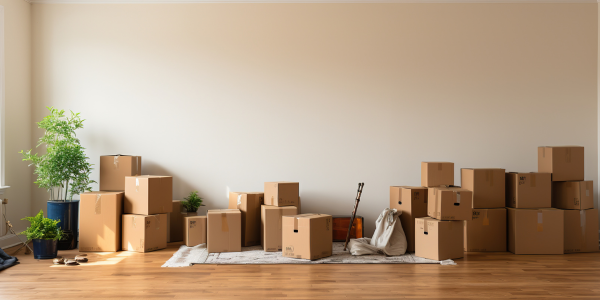
We won’t lie, moving day can be stressful. Moving house is actually one of the top 3 most stressful events in life, but planning and prepping as much as possible will help your day go more smoothly. Moving day actually begins way ahead of time – make sure you declutter and narrow down the stuff you’re bringing with you. Have a donations pile and a bin pile running alongside your packing. The less you bring, the easier it is!
First-time movers likely don’t have to consider end-of-lease arrangements for their old place, which is great, but if you have a deadline to be out of your current living situation, try to give yourself an overlap where you have access to your old and new homes concurrently.
Keep your essential items handy, pack a clearly labelled box with all your important documents (passport, Medicare, driving license), as well as any chargers, medication, hand soap, bodywash, toilet paper and spare clothes. It’s also handy to have a small DIY kit on hand, so screwdrivers, etc., are accessible. Once all the furniture is in, you can get to unpacking and making your new home nice and cosy! For a week-by-week guide of moving tips, see our moving checklist!
Final Thoughts
If you’re moving out of home soon, whether it be a share house, your first apartment or studio flat, we wish you all the best for your new home. Moving out is a huge step, and although there is so much to consider, it’s an incredibly exciting time. Ask for help, speak to your roommates and property managers, as they’ll be able to provide you with the answers. Good luck in your new home!